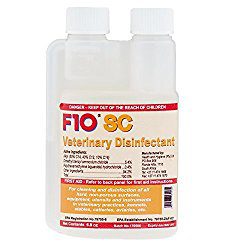
Many people may not make a distinction between cleaning and disinfecting, but when it comes to proper reptile care, it is very important to know the difference and do both. Cleaning involves the washing and removal of debris and other material from a surface while disinfecting involves killing or minimizing disease-causing viruses, bacteria, or fungi. Cleaning does not mean disinfecting, and a clean surface can still harbor harmful agents.
Selecting the proper disinfectant for reptile cages must be done care fully. Disinfectants must be strong enough to kill harmful organisms but safe for your herp. It is very important to use reptile-safe products per instruction and to thoroughly rinse items after they have been disinfected.
When using chemicals for cleaning or disinfecting, keep your herp in another room to avoid exposure to fumes. Reptiles are sensitive to fumes and this applies to humans as well. For your own comfort and safety, use these products in well-ventilated rooms and be sure to use rubber gloves and safety goggles.
Before using any disinfectant, it is important to clean any soiled areas with hot soapy water first to remove food, feces, and other debris. The presence of these materials will prevent the disinfectant from working properly. Rinse well to remove any soap residue before applying the disinfectant.
The disinfectant should be applied liberally to the cage and accessories. Allow the disinfectant to have contact with the material for 10 minutes. Porous materials require longer contact time for proper disinfecting. Rinse thoroughly with clean water after sanitizing items to remove all residues. Make sure all items are completely dry before reassembling the habitat.
Although there are many commercially available disinfectants, household bleach is one of the most inexpensive and readily available disinfectants. You can make a disinfecting bleach solution by mixing 1 part bleach with 16 parts water (or 1 cup of bleach to 1 gallon of water). Apply this bleach solution to the cleaned cage, decorations, and accessories for 5-10 minutes, then rinse thoroughly with clean water.
Disinfecting your reptile’s environment is an important and crucial part of cage maintenance. When you keep on top of your reptile’s maintenance needs, you can rest assured that you are offering your pet a safe, healthy home.
Click Here To Shop For More Cleaning Supplies. So You Can Keep Your Habitat Clean And Disinfect It Properly.
We Buy – Sell – Trade – Adopt – Breed – Rescue – Transport – Rehabilitate
We have a new blog! Please like, share, follow and subscribe. https://thecrazycrittersfarm.blogspot.com/
Who are Crazy Critters?
Ken and Cherrice Purvee have been working together since 2001. We have been making raising plants and animals as natural as possible a life motto. For the past few years, always open to adopting herpes. Making people feel secure knowing their loved animal has a happy home. Mostly Tortoises and Turtles call Crazy Critters home. What makes us unique is that after adoption, Crazy Critters continues to share the lives of the pets on social media. Providing an additional continued connection.
Follow us on our journey as we build our Herp Haven called Crazy Critters!
- Facebook: https://www.facebook.com/TheCrazyCritterFarm/
- Youtube: https://www.youtube.com/channel/UC5TQnm11n9fmboukNvx8HxA?
- Instagram: https://www.instagram.com/cazy.critters.farm/
- GoFundMe: https://www.gofundme.com/CrazyCrittersFundraiser

Crazy Critters has become an affiliate of Amazon. This extra income will help pay for the everyday cost of raising the herps we adopt and care for.
If you purchase any of the following supplies Crazy Critters will benefit with a 10% Commission.
BONUS! Purchasing any item from Amazon, even items not listed or related for 24 hours after clicking the affiliate link will give Crazy Critters an approx. 4% commission. It is like as if you drove to us and donated cash! If you have any questions about the products or how to use the products please let us know. If we post it here, we use it, we have used it, we support it and we buy it.
Leave a Reply