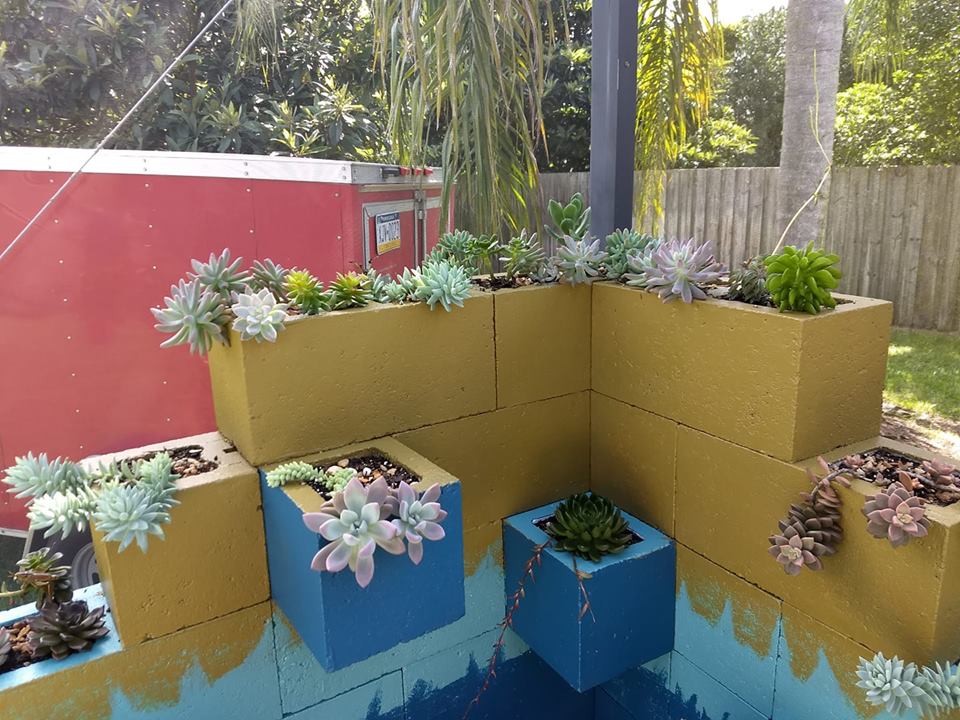
We often wonder what our visitors do with their succulents. Succulents are the perfect answer for people who want to introduce color into their decor.
Many people choose to care for succulents because they are low-maintenance. They have been adapted to thrive in an indoor environment. Visitors know succulents can come in a large variety of really interesting leaf forms and plant shapes. These include paddle leaves, tight rosettes, and bushy or trailing columns of teardrop leaves.
Visitors know succulents come in a huge array of colors. They range from vibrant yellows and oranges to deep greens and even blues. This variety is part of what makes them such a popular choice for natural decor.
Visitors must research which types of succulents will thrive in their climate. They should decide which types are more suited to being planted in an outdoor garden versus being potted.
Aeonium – These are rosettes that typically resemble big, fleshy-petaled daisies. Colors include green, yellow, and garnet. Aeonium, commonly known as Tree Houseleek) is a genus of succulent plants of the family Crassulaceae. The name is derived from the ancient Greek word “aionos”, meaning “ageless”.
Most of the species are native to the Canary Islands. A small number is found in Madeira, Morocco, and in East Africa.
Agave – These rosette-shaped succulents are native to the Americas. There are dozens of species of agaves, many small and beautifully suited to pot culture. Agave (genus Agave) consists of approximately 200 species. They belong to the family Asparagaceae, which was formerly known as Agavaceae. These species are native to arid and semiarid regions of the Americas, particularly Mexico, and the Caribbean.
The genus contains a number of economically important species. This is especially true for those required for the production of mescal liquors.
These include the blue agave (Agave tequilana) used for tequila. Sisal (A. sisalana), henequen (A. fourcroydes), and cantala (A. cantala) are significant sources of fibre and are of interest as potential bioenergy crops. The century plant, or maguey (A. americana), and blue agave are the primary sources of agave nectar, a syrupy sweetener. Additionally, a number of species are grown as ornamentals in desert landscaping.
Sempervivum (hen and chicks) – Like sedums, sempervivums are cold-climate succulents. They do not do well outdoors in the heat of a Southwest summer.
Sempervivum (sem-per-VIV-um) are very popular cold hardy and drought tolerant succulents. They have many different textures and forms: from velvety, wooly, and satin, to fringed, tufted, and spidery webs. Some are large (up to 5″ or more in diameter), others are tiny (only 1/4″ diameter ). When left alone, most will form a dense mat with interesting mounds.
Sedum (stonecrop) – is easy to grow a group of succulents that look great in the summer and autumn garden. The genus Sedum is a diverse group. It includes upright tall sedums and mat-forming carpet sedums.
There are insanely drought-tolerant sedums and those that need to drink regularly. Some sedums love the sun while others are suited for woodland gardens. So it is important to know your sedum before you plant. Some taxonomists have moved the tall sedums into the genus Hylotelephium.
Haworthia – These windowsill succulents, which seldom get larger than a softball, thrive indoors and do well in pots. Haworthia is a genus of small succulent plants within thefamily Xanthorrhoeaceae. The species are endemic to Southern Africa and the genus is named after the botanist Adrian Hardy Haworth.
Echeveria – Echeveria ek-a-VAIR-ee-uh): Also known as Hens & Chicks, Echeveria is rosette-forming tender succulents that come from Mexico. The Echeveria succulent plant thrives on brief periods of neglect, low water, and nutrients.
The many varieties and colors of Echeveria plants provide wonderful tones and texture for mixed beds and pots. They range in color from bright green to blue-green to purple. The plant originated in dry Mexico and was named after the botanist Antansio Echeveria in 1828.
Leave a Reply