

 by
by 
Nastic movements pertain to plant movements in response to a stimulus. They are different from tropic movements called tropisms. Tropisms are directional movements or growth responses of a plant to the stimulus. In nastic movements, the response of the plant is non-directional. An example of tropism is thigmotropism, a growth response to the touch stimulus.

Since it is directional, it has two types: positive (i.e. towards the stimulus) and negative (i.e. away from the stimulus). An example of thigmotropism is the coiling of tendrils or twiners upon contact with objects for support. In nastic movement, the movement response of the plant to contact is called thigmonasty. An example of thigmonastic movement is the shutting of a Venus fly trap.
Another form of nastic movement is the nyctinasty. Nyctinasty is the nastic movement of plant parts like leaves and petals in response to darkness.
Some plants can assume a sleeping position at night that is different from their position during the daytime. This behavior is a biological rhythm since it recurs in each circadian day. The sleeping position of these plants relates to pulvinar movement. It is also linked to the circadian clock and light signal transduction through phytochrome.
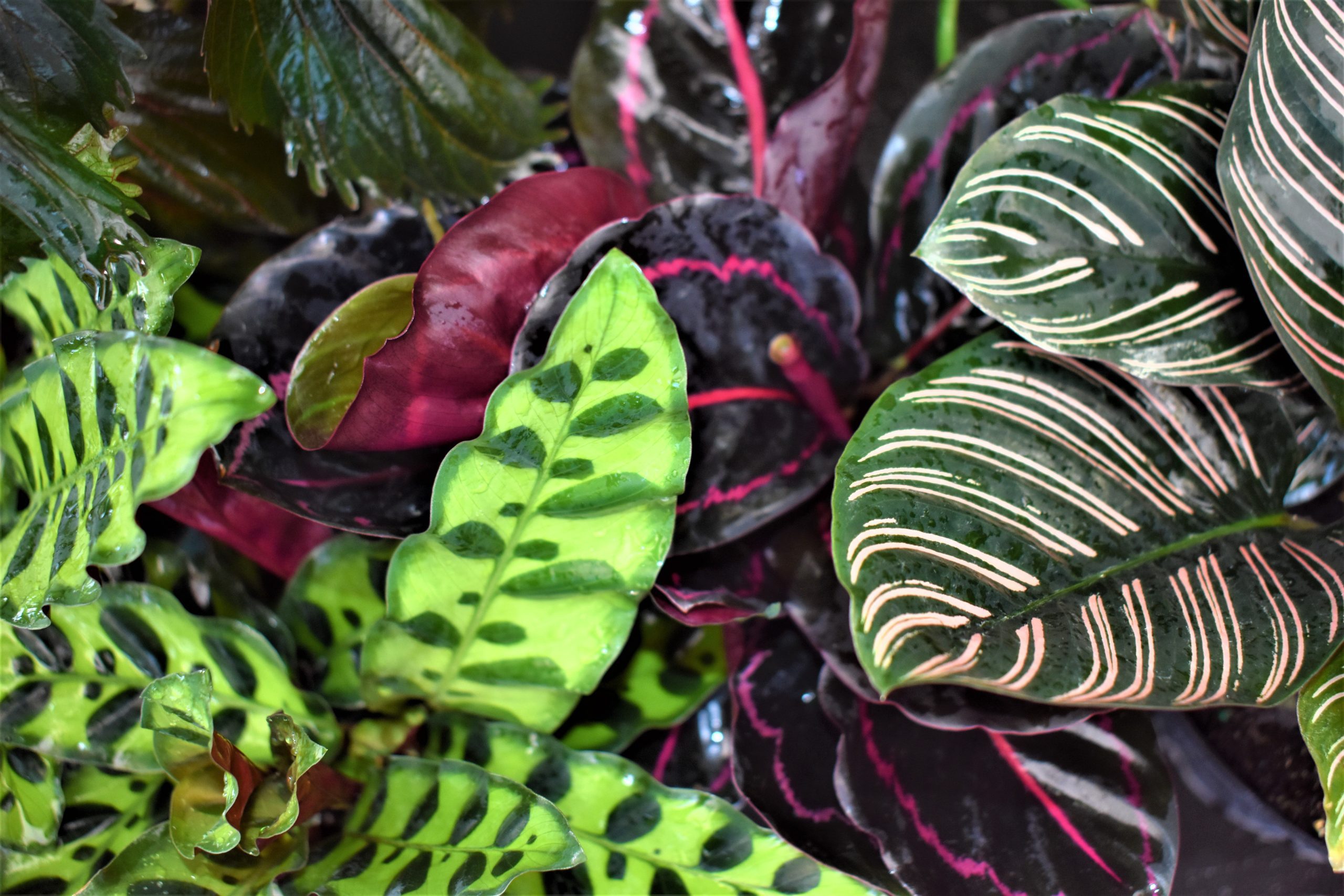
Prayer plant leaves move downward to a horizontal position in the morning. This movement maximizes light exposure. They move upward at night, probably to reduce water loss. This response to darkness is nyctinasty.
Other responses for nastic movements are light (photonasty), chemicals (chemonasty), water (hydronasty), temperature (thermonasty), gravity (geonasty), and touch (thigmonasty).
Like what you read? Appreciate the information. We are a non-profit 501c3! Thank us with a contribution by clicking DONATE!


 by by
by by
Leave a Reply