
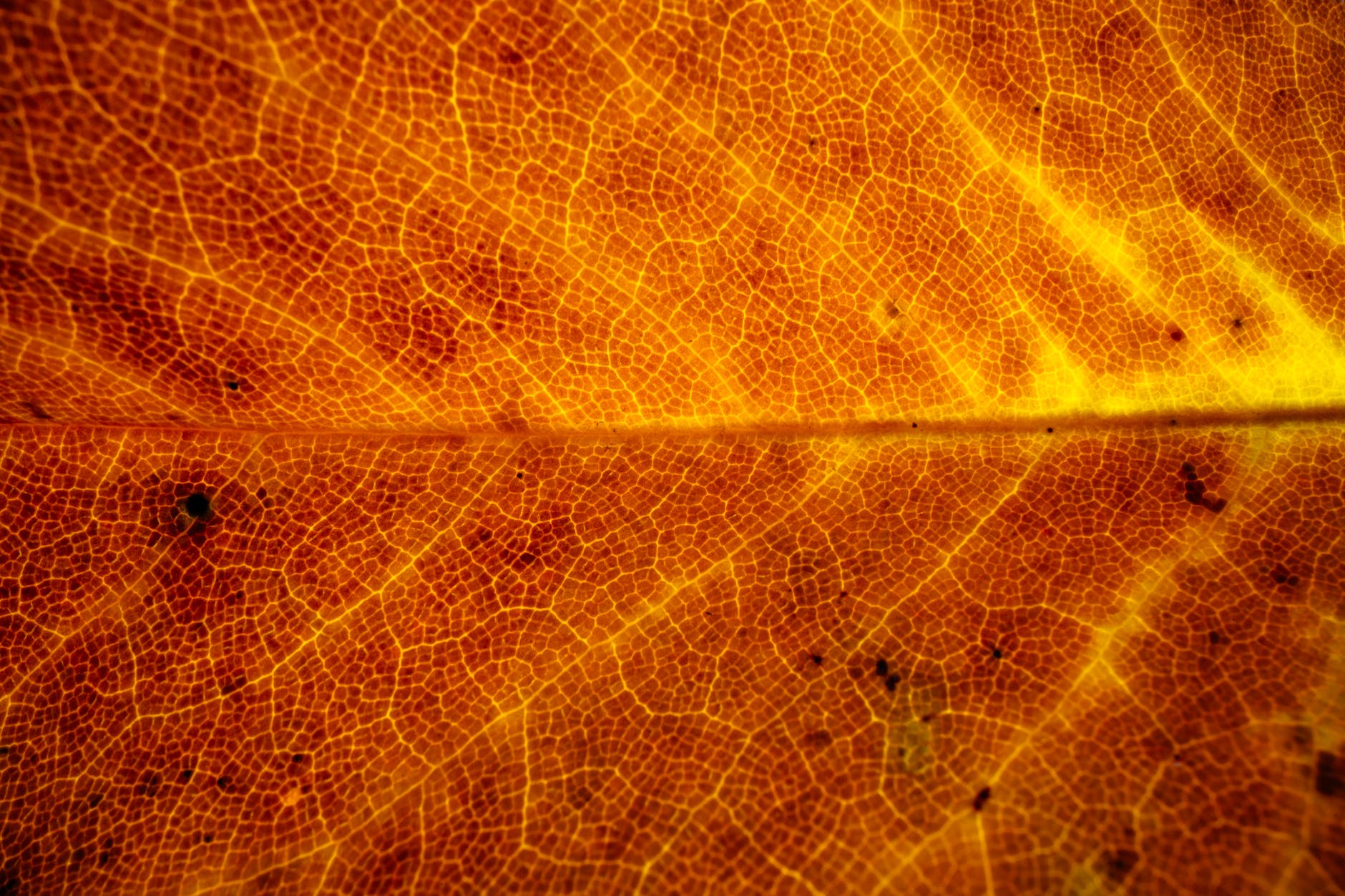
Phytotoxicity can occur when you use old chemicals in new ways. It can also happen with new chemicals used incorrectly. Or it can occur when you use the right chemicals at the wrong time.
Some plant species are sensitive to certain chemicals, and some life stages are vulnerable to all treatments.
Water-stressed plants are more susceptible to phytotoxicity.
Plants affected by phytotoxicity may show any of these symptoms:

- Chlorosis (yellowing) of tips, margins, or entire leaves
- Leaf spotting
- Stunted growth of parts or the entire plant
- Abnormal growth
- Leaf curling, cupping, or crinkling
- Defoliation (leaf loss)
These symptoms are sometimes confused with disease, insect or mite damage, or problems caused by environmental conditions.
This type of leaf burn may also occur when pesticides or other chemicals are sprayed on stressed plants.

Stresses, such as drought, disease, insect injury, and frost damage predispose plants to chemical damage.
Even non-toxic sprays, such as insecticidal soaps and horticultural oils, can result in pesticide burn. This occurs when they are sprayed on injured or sensitive plants.
Phytotoxicity frequently occurs when pesticides are sprayed under adverse weather conditions.
High temperatures and humidity can increase the chance of injury from horticultural oils or sulfur-containing pesticides.
Cool damp weather may increase the chance of injury by copper fungicides.
Phytotoxicity may also result when incompatible chemicals, such as oil and carboxamide compounds, are applied at the same time.

Damage also occurs due to wind drift onto nontarget or sensitive plants.
Spray applications should be applied during calm, dry, and cool conditions.
Most pesticides are best applied below 85 F.
Damage from excessive fertilizer application generally appears as browning of leaf edges or leaf scorch.
Soluble salts from fertilizers can pull moisture out of root tissues and cause wilting, marginal yellowing, and stunting.
Leaf burn or scorch can also result from direct foliar contact with some fertilizers- granular or liquid.
Several factors can determine the amount of damage. These include soil type, irrigation practices, salt levels, and the sensitivity of specific plants.

Damage to vegetable plants from excess fertilizer is more severe in hot dry weather.
Fertilizer salts are more concentrated in the soil under drought conditions.
This can lead to direct root injury, which will show up as leaf scorch.
Soluble salts follow water movement through the plant. They become concentrated in the leaves. Moisture is lost rapidly on hot, dry days through transpiration or evaporation.
In cool, cloudy weather, when there is adequate soil moisture, the rate of moisture loss from the leaves is slower.
This allows many plants to tolerate high salt levels in the spring months. Yet, they cannot tolerate these levels during the summer months.
You can prevent fertilizer burn problems in two ways. Select slow-release organic fertilizers. Alternatively, incorporate 1-2 inches of compost into the soil each year.
Sweep granular fertilizers off the foliage. Use soluble foliar fertilizers according to label directions. If using granular fertilizers, be sure to apply water promptly afterward.

Phytotoxicity can exist as a response to an external condition as explained or as a defense to an external condition.
Interestingly, as a defense, the plant releases its own chemicals. These can make an intruder or predator ill. This effect is known as phototoxicity.
This dual effect is not found in all plants but some are more sensitive to chemicals than others.
For instance, ferns, palms, English ivy, and poinsettias are all extremely sensitive to chemicals.
Still, other plants are sensitive to only certain chemicals.
Treatment for phytotoxicity in a small area of a plant may involve lopping off the stem. This helps prevent the damage from interfering with the rest of the plant.
Providing adequate water is important. Good general care will usually help rally the plant over time. This care reduces the chance of permanent injury.
Plants That are Phototoxic to Humans Plants
These plants may release chemicals of their own as a defense that can harm humans.
Usually, the phototoxicity symptoms will be topical.

As an example, wild parsnip looks very much like its cultivated cousin but has phototoxicity which can cause burns.
Contact with the plant and then following exposure to the sun will cause a fiery sting in the contact area.
Mayapples have a similar defense mechanism and should not be touched.
All parts of this plant are poisonous.

Even common garden plants can have mild phototoxicity and should be handled carefully.
Wash your hands after handling or harvesting any of the following (wearing gloves is helpful too):
Dill, Celery, Carrots, Coriander, Angelica Rue, Parsley, Anise, Fennel, and Lovage to name a few.
If you come in contact with a phototoxic plant, wash the area immediately. Apply a topical cream such as cortisone. You can also use a paste of baking soda and water.
Leave a Reply